Learn how easy it is to track people. And what you can do against it.
Phone data from the ad ecosystem is for sale and it reveals where you live, work, and spend your life. With Track with Ads, you learn how easy it is to build a complete movement profile of a person from freely available ad data. You learn why this affects all of us and what you can do about it.
Realistic Movement Profiles
Surveillance is no longer a government monopoly. It is a by-product of your weather app.
Data Collection
Apps like weather services, classifieds, or flight trackers locate their users down to the metre — and pass that data on.
Source: netzpolitik.org, Data Broker Files
Data Trade
Data flows automatically to hundreds of companies simultaneously via Real Time Bidding (RTB) — in under a second. Location, device ID, and app usage are all sold.
Re-Identification
An advertising ID is like a number plate. Anyone who knows your home and work location can reconstruct real people from anonymised data points. Studies show this works in 87% of cases — with just four location points.
Source: de Montjoye et al., MIT, 2013
Abuse Potential
The Data Broker Files from netzpolitik.org reveal movement profiles of individuals apparently working for German federal ministries, the Bundeswehr, and intelligence services. Stalkers, foreign intelligence agencies, employers — they can all buy this data. Legally.
Data Scavenger Hunt
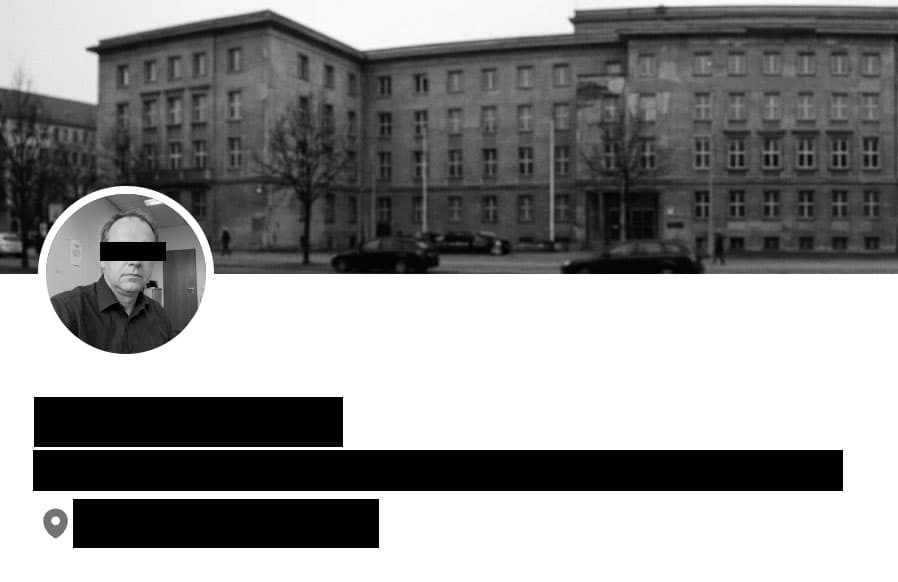
Teams get access to a synthetic dataset modelled on real data from the ad-tech ecosystem. Their mission: re-identify a synthetic person named Dr. Kai Brandt — using movement patterns, locations, and timestamps.
Briefing
The scenario is explained. Teams gain access to the dashboard and receive initial clues about the target person.
The Hunt
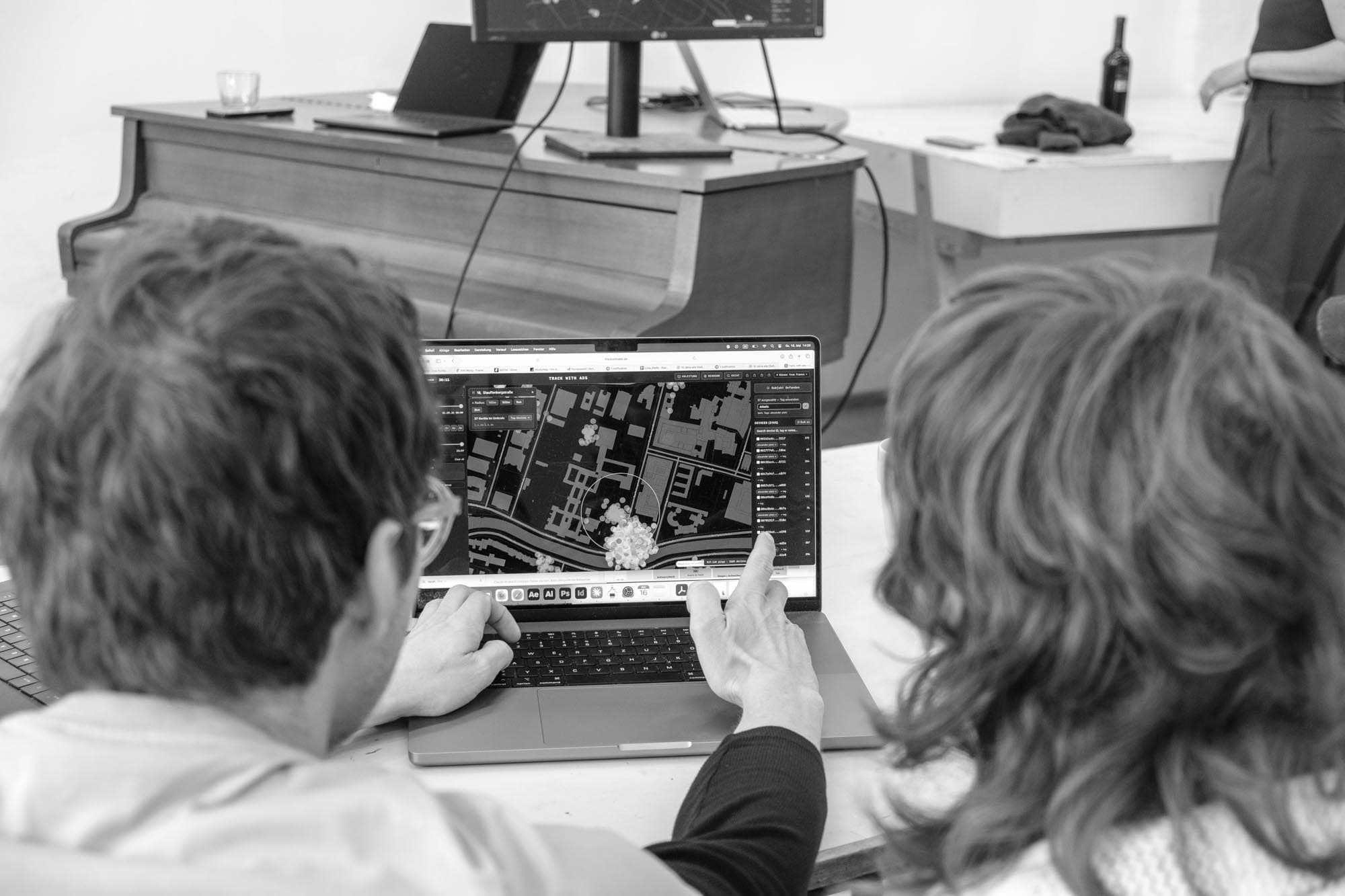
Teams analyze movement profiles, identify home and work locations, and attempt to name the target.
Debate
Resolution and discussion: What does this mean for privacy? What needs to change — technically, legally, politically? And how can I minimize my own risk of being identified?

Based on the research of netzpolitik.org
To the research →
